
NORWAY to FRANCE
15 DAYS | PRICE: 3'000 €
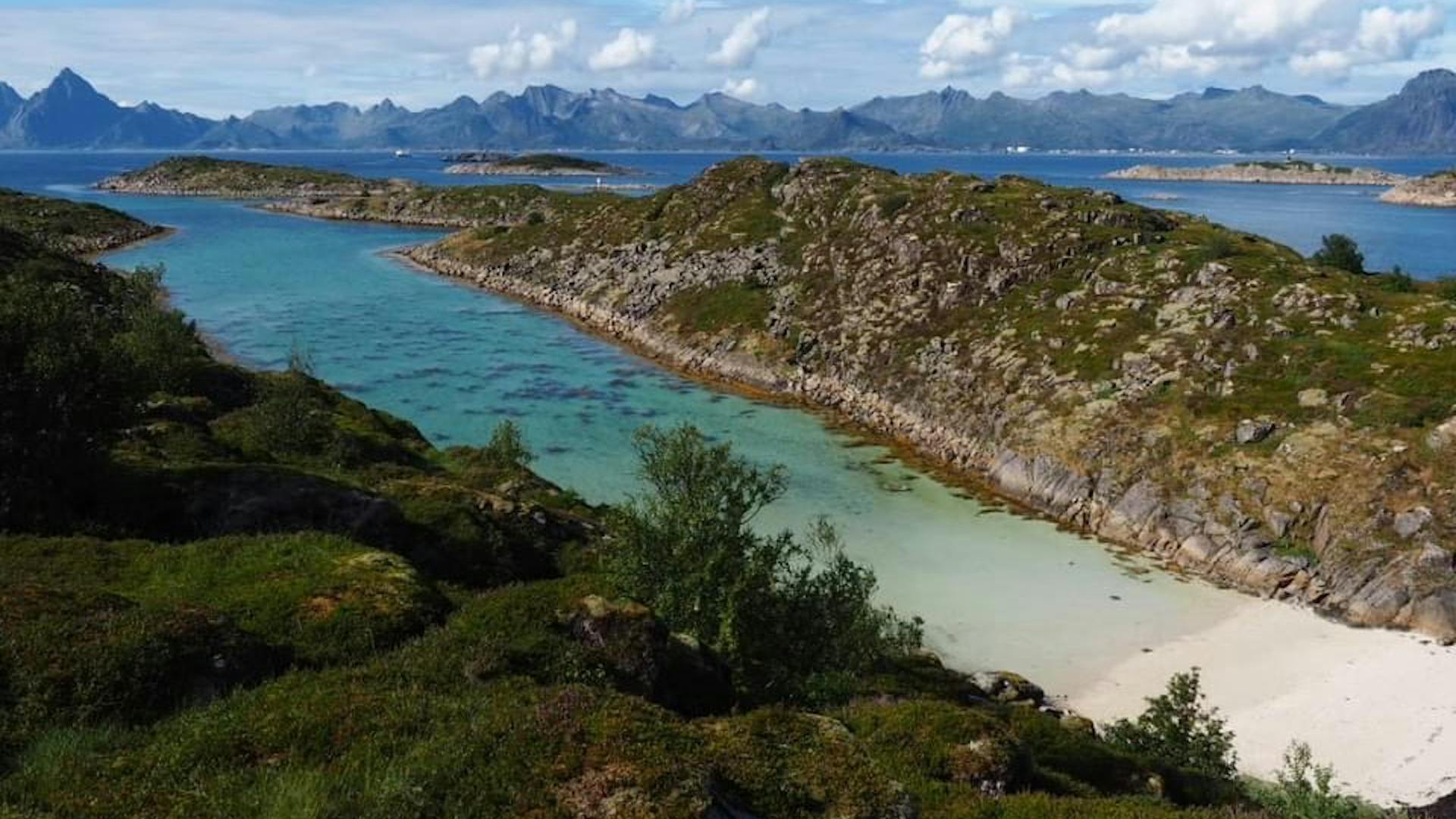
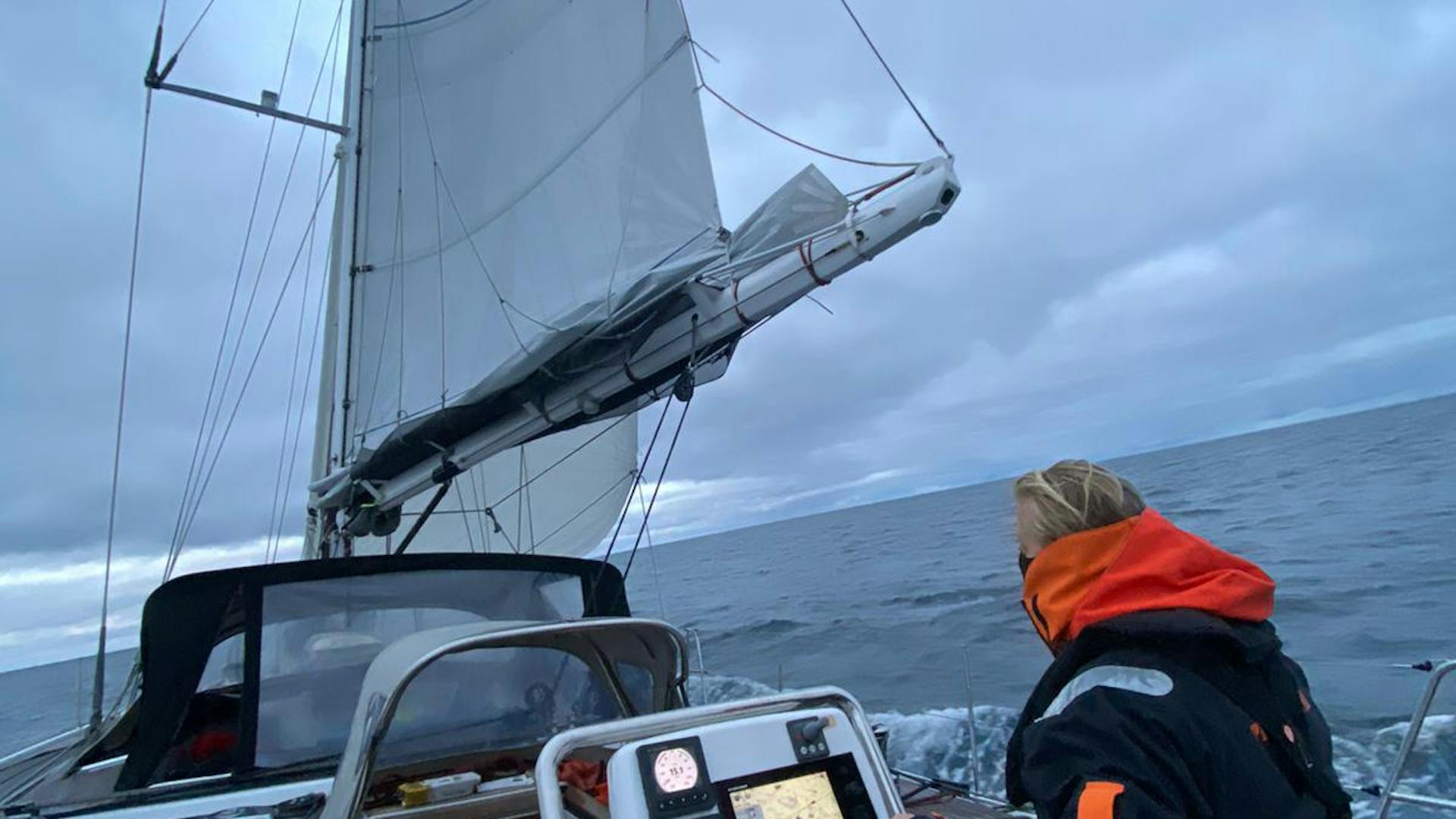
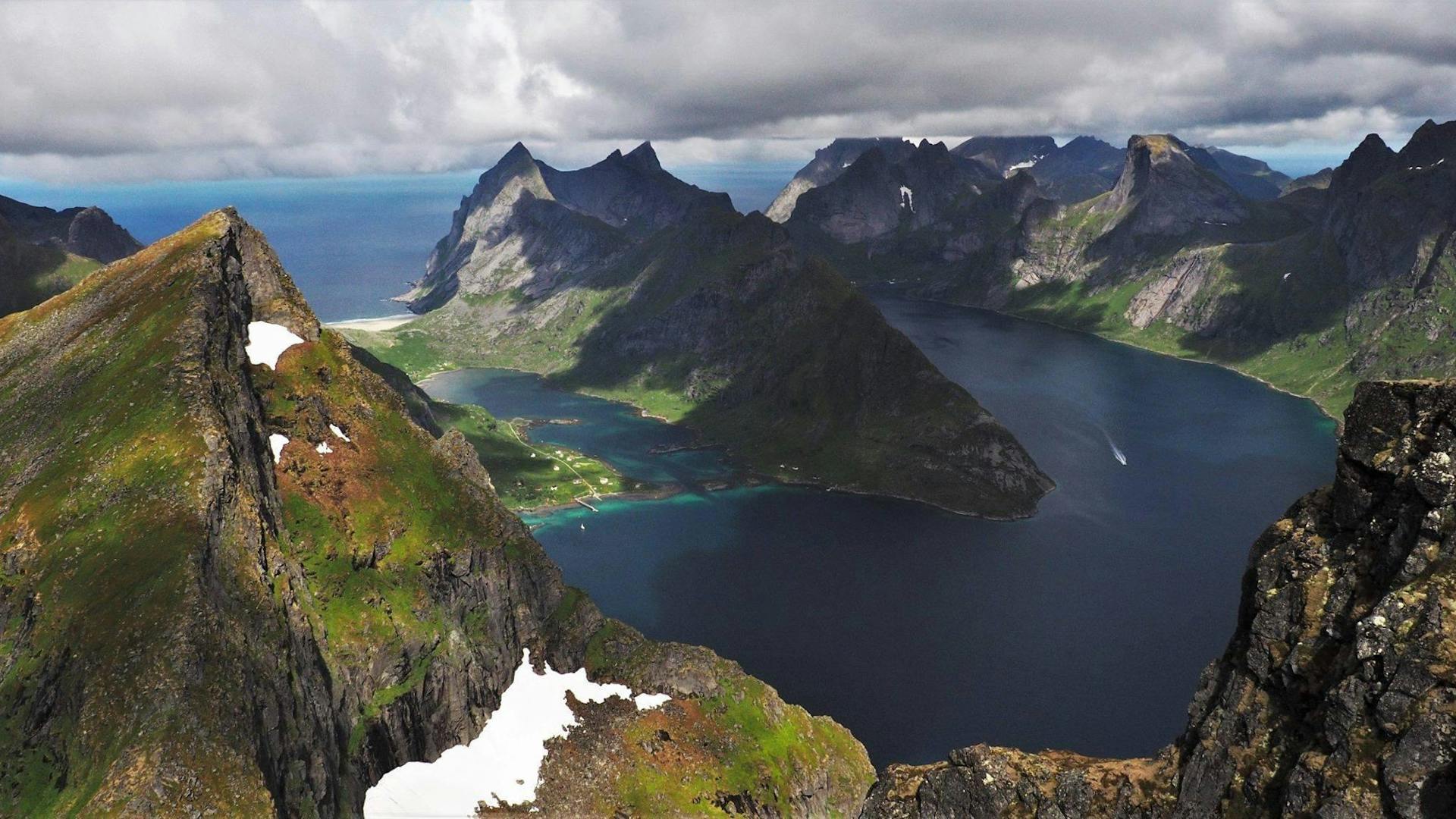
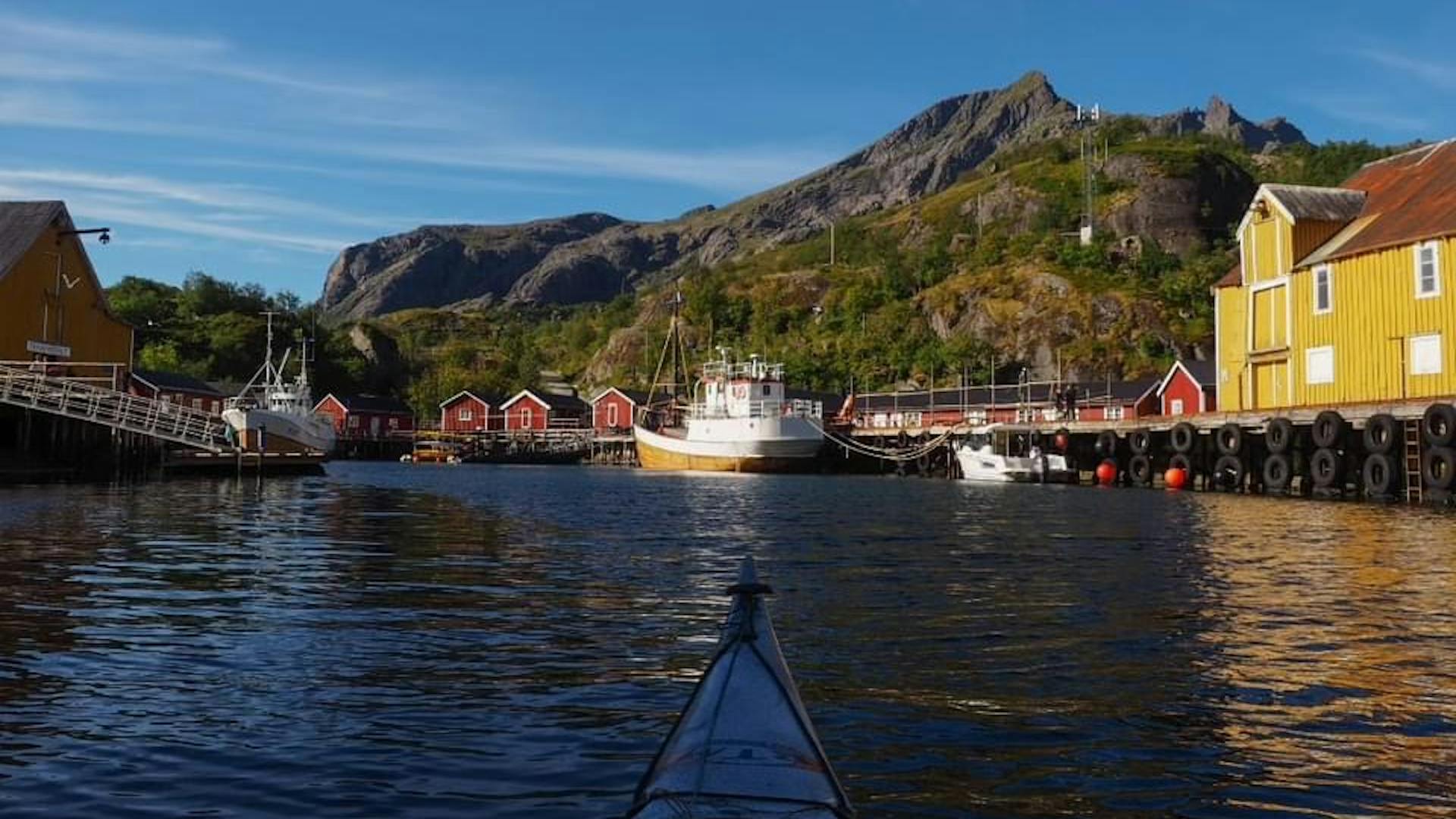
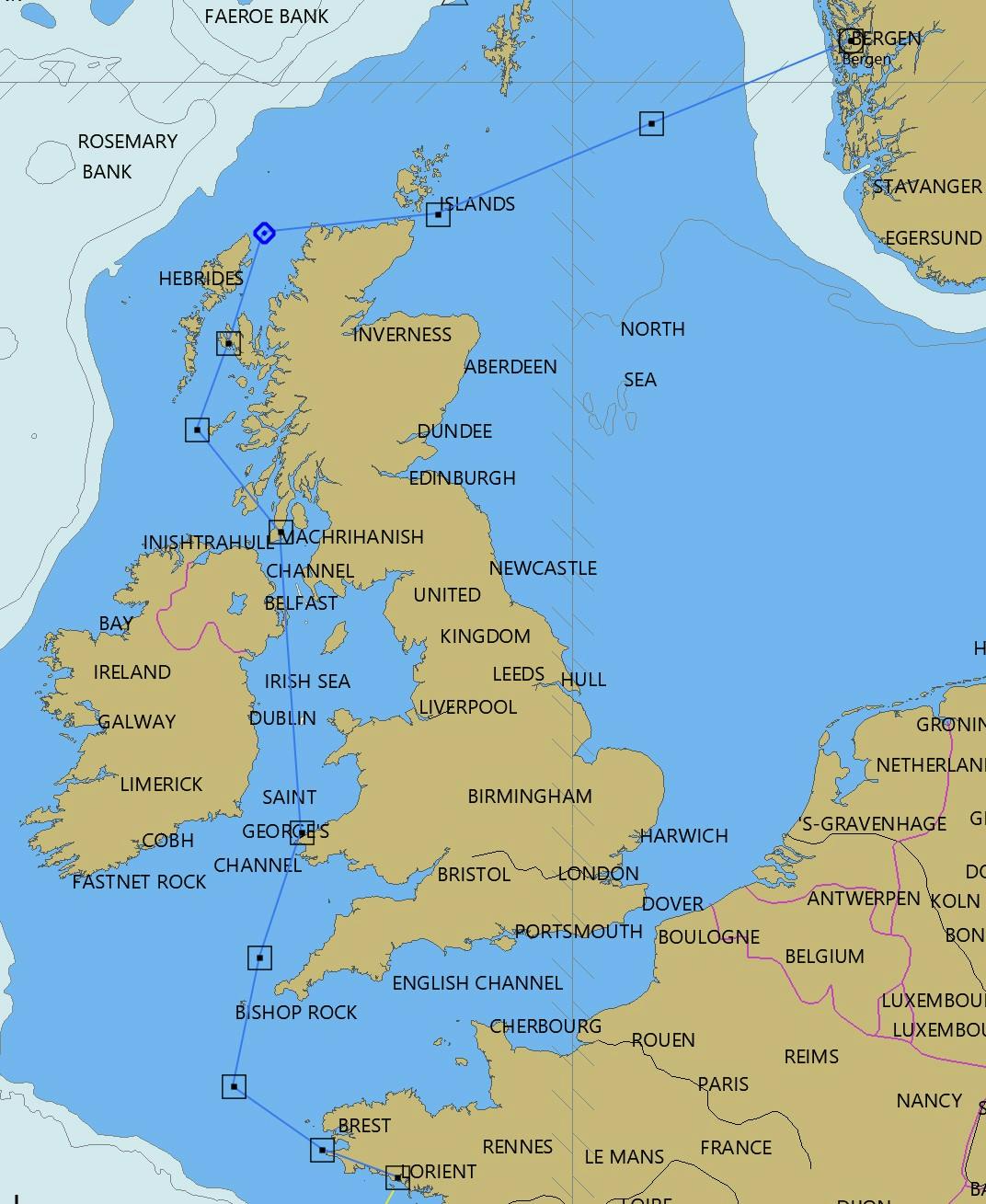
This voyage is a true offshore journey, linking the fjords of Bergen with the Atlantic coast of Lorient. Leaving sheltered Norwegian waters behind, we cross the North Sea and meet the exposed, elemental coastline of Scotland and the Hebrides. This part of the passage is shaped by weather, swell, and strong tidal systems. This route combines remote high-latitude coasts, exposed Atlantic sailing, and real passage-making, offering a complete offshore experience. We move when conditions allow, navigating open sounds, remote anchorages, and long stretches of water where planning and seamanship matter. From Scotland, the route turns south and the Atlantic opens fully — longer swells, steady winds, night watches, and the deep rhythm of offshore sailing.
Departures: |
| ||||||
Embark: | Bergen, Norway | ||||||
Disembark: | Lorient, France | ||||||
Guests: | 4 | ||||||
OFFSHORE SAILING
Guest crew will be limited to 4 allowing to meet the targets of each individual as well as our comfort and safety standards.
With exhaustive experiences of both long passages and cold water sailing, as well as preparation and maintenance of our vessels during the winter off-season, Alex Jara provides a no non-sense approach to offshore sailing in all its key facets, allowing you to tangibly grow as a sailor. The passages provide an extensive opportunity to dig deep in numerous boat preparation, sailing and navigation matters through exchanges with Alex throughout the passage.
- Boat preparation for long passages
- Passage planning, coastal and offshore navigation
- Maneuvering in small crew
- Sails trimming
- Practicing time at the helm
- How to use autopilot, AIS, Radar
- Working on both paper charts and plotter
- Weather forecasting, including a pragmatic approach to downloading and read weather files, as well as routing.
- Tidal currents
- Bad weather and night sailing
- Sleep management, eating, shifts
- Energy management onboard, installation of energy systems, unbiased input as to the effectiveness of various energy sources
- Boat monitoring and maintenance routines during long passages
- Health and Safety on board
- Emergency procedures
Bergen
Gateway to the Norwegian fjords and the last sheltered harbour before committing to open-sea sailing.
North Sea Crossing
A demanding stretch of open water shaped by fast-moving weather systems, commercial traffic, and early offshore routines.
Scotland – West Coast Landfall
A dramatic re-entry to land: mountains, shifting light, and rapidly changing conditions along an exposed Atlantic shoreline.
Outer Hebrides
Remote Atlantic islands with strong tides and swell, offering a rare sense of isolation and true edge-of-the-map sailing.
Inner Hebrides
Narrow sounds and open passages demanding careful tidal planning and precise boat handling.
Isle of Skye
A rugged, mountainous coastline where exposed legs alternate with sheltered anchorages.
Atlantic Turn South
The moment the voyage becomes a full ocean passage: longer swells, steady winds, night watches, and deep offshore rhythm.
Biscay Approaches
Transition from open ocean to continental waters, with changing sea states and increasing maritime traffic.
Brittany Coast
Complex tides, headlands, and busy shipping lanes requiring focus, timing, and teamwork.
Lorient
A major Atlantic sailing hub and the natural conclusion to a long north–south offshore passage.
This route combines remote high-latitude coasts, exposed Atlantic sailing, and real passage-making, offering a complete and demanding offshore experience.
DAY 1
- Welcome by the crew, checking and storage of gear, accommodation in cabins.
- First dinner and night onboard.
- Review of above and below decks equipment.
- Safety protocols and review of safety equipment.
- Weather conditions, routing, organization of shifts, etc.
- Weather conditions permitting, we will be setting sail on Day 1.
DAYS 2 - 14
- Bergen → North Sea Crossing (offshore leg, ~350–400 nm)
Open-water sailing, establishment of watch routines, and full offshore rhythm. - North Sea → West Coast of Scotland
First Atlantic landfall along an exposed and weather-shaped coastline. - Scottish West Coast → Inner Hebrides
Tidal passages, narrow sounds, and demanding pilotage. - Inner Hebrides → Isle of Skye
Rugged scenery, variable conditions, and remote anchorages (weather permitting). - Isle of Skye → Outer Hebrides
Fully exposed Atlantic sailing with strong swell and powerful tidal flows. - Outer Hebrides → Atlantic Turn South (600–800 nm offshore)
Long open-ocean legs, night watches, steady swells, and deep offshore seamanship. - Atlantic → Biscay Approaches
Changing sea states, increased traffic, and preparation for strong tidal regimes. - Biscay → Coast of Brittany
Technical coastal navigation with headlands, currents, and busy waters. - Brittany Coast → Lorient
Final approach into one of Europe’s major Atlantic sailing hubs.
ARRIVAL TO DESTINATION PORT
- Subject to weather conditions / progress towards the final destination, we may choose to an anchorage near the point of departure / arrival to get closer to the local nature.
- Goodbyes and disembark in the morning.

THE OFFSHORE SAILING EXPERIENCE
WITH ALEX JARA
Alex is our permanent Captain onboard INTREPIDO, spending over 7 months per season at the helm from France to the high latitudes of the Lyngen Alps , above the Arctic Circle, and then further north to Svalbard. A certified RYA Ocean Yachtmaster, he has extensive experience of sailing in cold, remote waters, including expeditions to South Georgia and Antarctica, as well as transatlantic passages. In addition, Alex is trained in sea rescue (Red Cross), yacht design and construction (UPC University), diving instructor and ship security officer, among other qualifications. He brings solid mechanical and engineering skills (on-board engineer in Antarctica, participation in the construction of racing yachts) and strengthens our maintenance and repair capabilities on our own yachts, which is all the more enriching for participants who want to become more self reliant and confident. Alex is trained as a biologist and speaks several languages (English, Spanish, French, Italian and Portuguese).
- Stay onboard the ship for the specified voyage duration
- Professional skipper
- Standard offshore lifejacket and lifeline
- Shore landings and tours with the dinghy
- Bedding and towels
- Onboard food (breakfast, lunch, snacks, dinner), hot beverages and non-alcoholic beverages
- Fuel and all port dues
- Air fares to and from departure point.
- Insurance (personal medical, travel, cancellation, etc)
- Alcoholic beverages.
- Food and beverages on the day of arrival until boarding
- Ski, trekking or other outdoor activity gear.
- Voice and data communication using onboard equipment.
- Entry fees into parks, museums, etc